
Florida, June 2 – In the current circumstances of the national economy, agroecology, as a popular science, must become the best ally of agricultural production, a task among those most affected by the genocidal impact of the economic, commercial, financial, and energy blockade imposed by the United States government against the Cuban people.
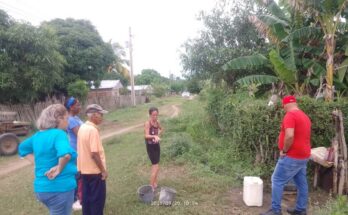
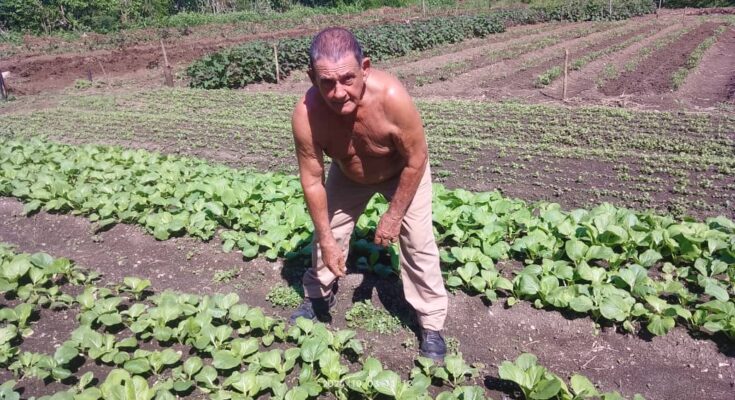
This was the argument put forward by engineer Víctor Kindelán Batista, an official with the municipal office of the National Association of Small Farmers (ANAP) in Florida, responsible for these issues. He highlighted the work of a group of small farmers in the area, such as Leonardo Tena and Danilo Medina, among other agricultural producers who utilize traditional practices in planting and harvesting food.
Vermiculture for obtaining compost and fertilizers; Minimum tillage and the use of animal traction, the development and use of hand tools that facilitate crop management, and the production of locally sourced animal feed, to name just a few actions, are emerging as alternatives to the lack of imported inputs, fuel, and other resources.
Revitalizing the agroecological movement, reviving these kinds of ideas, and sharing proven experiences from farmer to farmer in the municipality of Florida is an essential task today in the implementation of the Law on Food and Nutritional Sovereignty, in order to sustain agricultural production and meet the food needs of the local population.