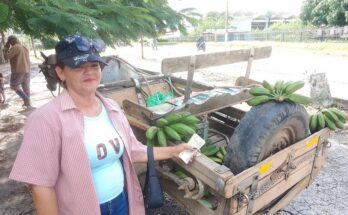

Florida, Oct. 21 — In some parts of Cuba, culture doesn’t arrive by truck or via a billboard; it arrives on foot, with a cloth bag slung over a shoulder and a voice worn thin from speaking so often to the wind. The Rodolfo Ramírez Esquivel community—known as «La Tomatera»—is one such place.
It is a consejo popular (local administrative district) in the municipality of Florida where the asphalt ends and the dust begins. Yet, for years, one woman has been determined to ensure that beauty is not a privilege reserved solely for the city.
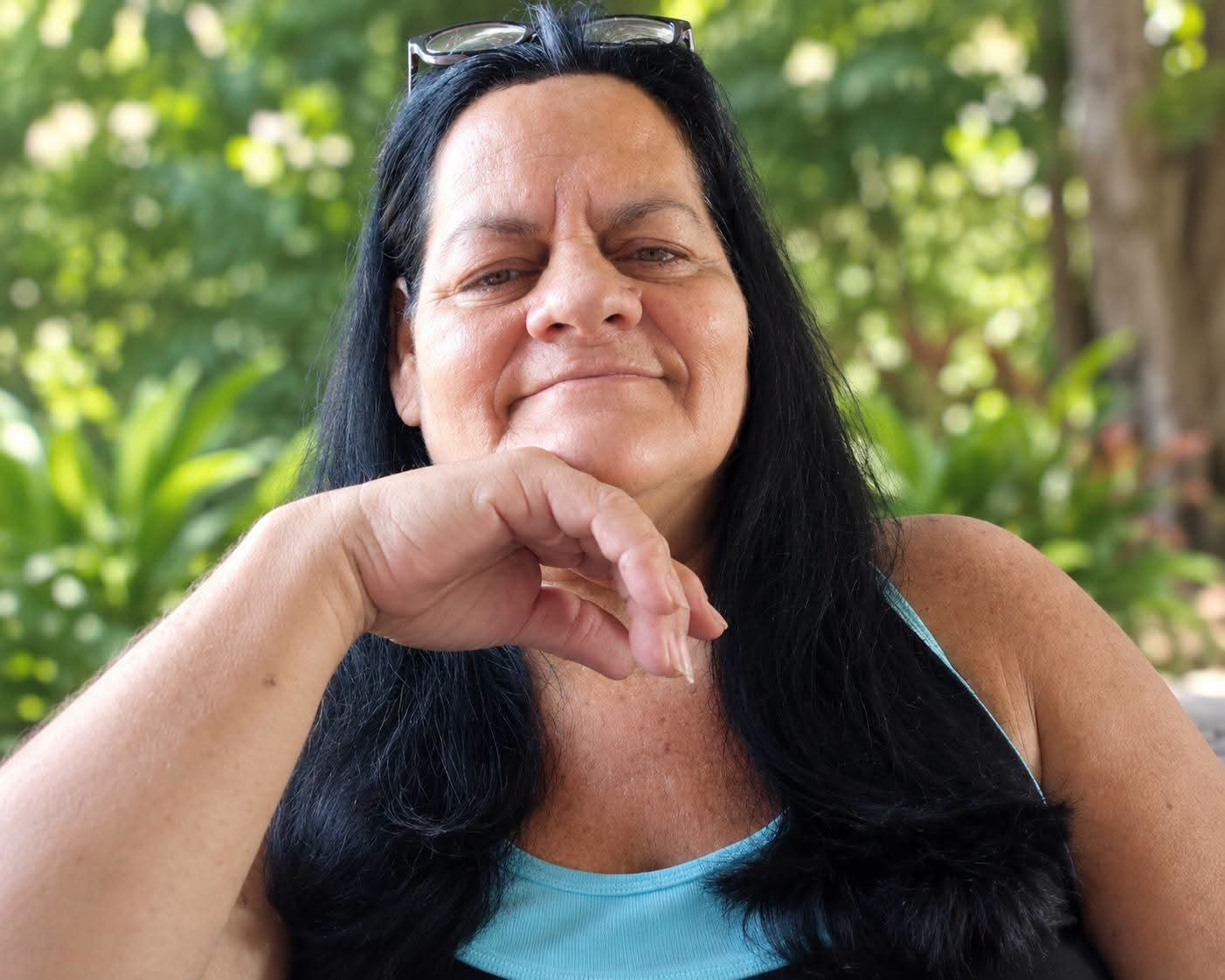
That woman is Xiomara García Fundora. When this year’s «Cuban Culture Days» (Jornada de la Cultura Cubana) honored her—alongside Ángela Betancourt, deputy director of the Luis Casas Romero House of Culture—it simply put into writing what the community had long known: that there are people who hold an entire town together with their own two hands.
Xiomara came to the field of cultural promotion almost without realizing it—the way true vocations often emerge: out of both necessity and love—which, in the end, are one and the same. She has worked there for so long that her own story has become inseparable from the history of this community.
Over the years, she has watched children grow up—children who now bring their own sons and daughters to her arts workshops. She has said goodbye to the elderly residents who were once her most loyal audience. She has transformed a modest space—four walls, a few books, and a sound system that occasionally falters—into a place where rural life reflects upon and celebrates itself.
For that is what a cultural promoter does in the Cuban countryside—even if it is not always fully acknowledged: they serve as an archivist of collective memory, an unofficial teacher, a catalyst for the joy of others, and a bridge between generations. Xiomara organizes activities with the children in the community and with the seniors connected to the Family Care System (SAF). In this movement between childhood and old age—between play and reminiscence—lies a secret pedagogy known only to her: the act of reminding a people that their culture is not merely an ornament, but proof of their very existence.
The children love her with that absolute trust that little ones place in someone who never deceives them. They wait for her, call her by name, and share things with her that they tell no one else. With her, they paint, sing, read, and perform; they discover that the world extends far beyond the backyard fence. As for the seniors in the SAF—people who sometimes go days without anyone asking them a single thing—they find in her visits a reason to tidy their clothes, recall a song, or recount, for the umpteenth time, the story of a certain dance—a story Xiomara already knows by heart, yet listens to as if hearing it for the very first time.
Dedicating the Cuban Culture Festival to Xiomara García Fundora is an act of poetic justice. It is a way of telling the nation that identity is forged with dusty shoes, the patience of many years, and tenderness as a guiding method.